
Managing Physiotherapy Rehab on Holiday: Expert Tips for Stress-Free Travel
Does your upcoming holiday leave you feeling more anxious than excited? Your mobility isn't what it used to be — but don't cancel that trip just yet. With the right preparation and mindset, you can still enjoy a much-needed break.
Madeline is a regular attendee of FitMove — our fun, accessible physiotherapy class designed to improve fitness, strength, and balance. She recently took the stress out of travelling to stunning Sorrento by making use of airport assistance.
Here are Madeline's insights, alongside our planning advice for successfully managing your physiotherapy rehabilitation during the holiday season.
Pre-planning for smooth travelling
"My main concern about the whole holiday was travelling," Madeline shared with Joanna Ward, Company Director, Physiotherapist, and Fitness Instructor at Home Links Physiotherapy.
Due to her mobility issues, Madeline was worried about the amount of walking in and around the airport — and she also knew she wouldn't be able to use the aircraft steps this year. These concerns added a real layer of stress on top of the usual holiday planning.
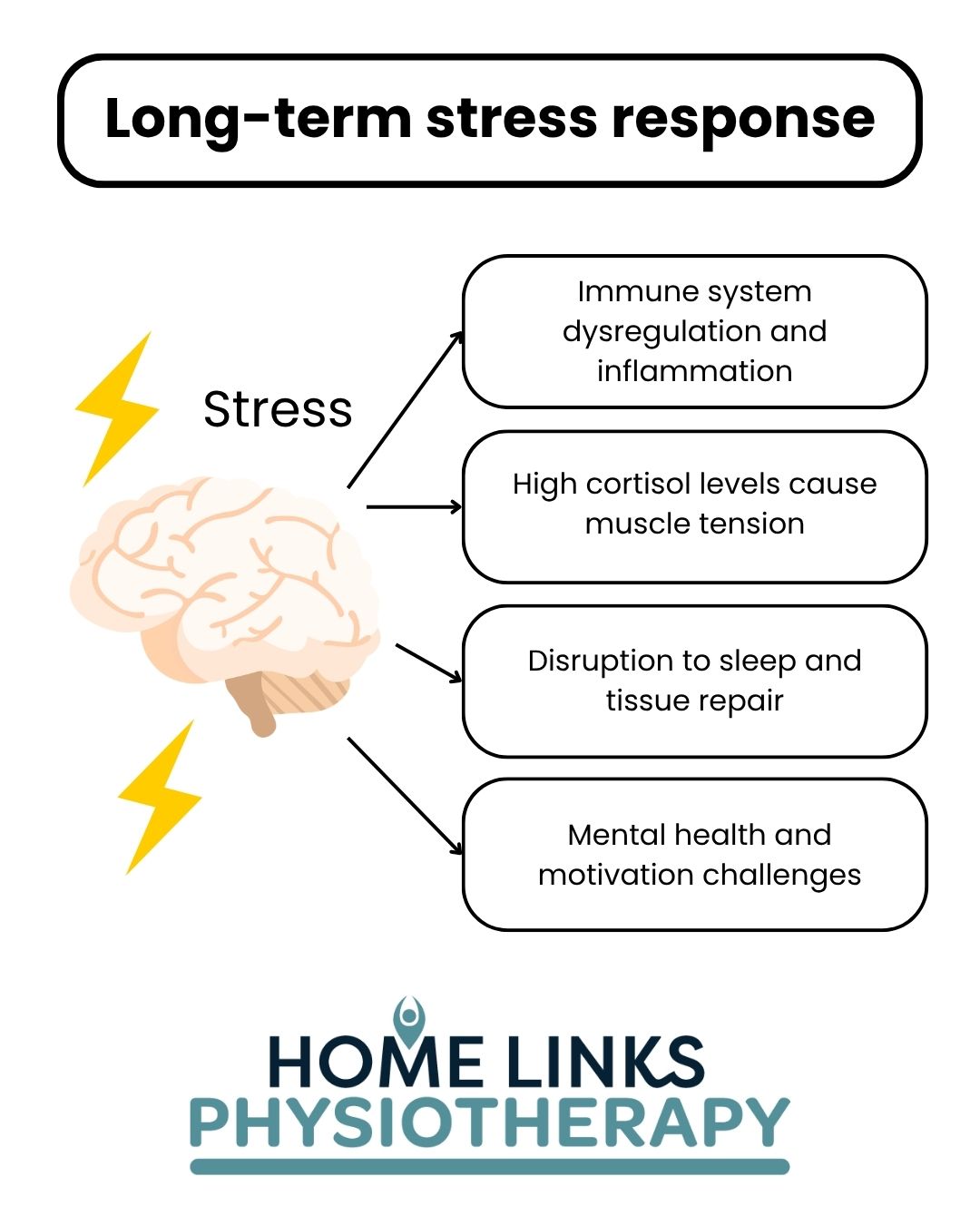
Stress causes adrenaline and cortisol to flow throughout the body, and prolonged exposure to these hormones can exacerbate mobility issues or injuries through inflammation, muscular tension, and disrupted sleep.
We always recommend speaking with your physiotherapist before you travel. A physiotherapy assessment can help identify any adjustments to your exercise programme, and regular follow-up sessions can keep your recovery on track before and after your trip.
Speak with one of our physiotherapists to discuss your suitability and next steps.
Madeline's advice: "Don't underplay your disability. If you think you need assistance at the airport, request it when you book."

All airports are legally required to provide assistance for passengers with mobility issues. This is free of charge, but must be requested prior to travel. Read more about the Special Assistance services at the major London airports:
Travel day
Madeline flew from Gatwick and was full of praise for the special assistance process from start to finish.
"After customs, security and duty-free, the assistance desk is right in front of you. It's a beautiful area with sofas and a coffee and snack machine. There's space for family and friends, and it's right next to the disabled loos. If you'd rather book a lounge, they can give you a machine that will alert you when you need to return to the assisted area."
The journey to the aircraft was equally well supported: "Someone took me on a buggy to the aircraft. I skipped the boarding queue entirely and went through the gate. I was taken to a buggy outside that had a lift. They wouldn't let me touch my luggage at all — they deal with that for you. When I arrived at the aeroplane, I boarded via a lift on the opposite side to the stairs. The stewards then made sure I was taken straight to my seat."
During the flight, it's essential to follow your physiotherapist's advice on maintaining regular movement. If your condition is aggravated by prolonged sitting, remember to stand up and move safely to keep blood flowing and your recovery on track.
When Madeline arrived at Naples airport, an employee met her at her seat and took her past the queues and through security. "They can take your baggage off the conveyor belt and straight to your onward transport."
Assistance on travel day significantly reduces potential issues — but delays and the unexpected do happen. Our advice is to shift focus onto what you can control: your movement breaks, and comfort essentials like snacks, reading material, and music.
During your holiday
The excitement of going away with friends or family can sometimes create social pressure to join in with everything planned. While it can feel tempting to push yourself, doing so is rarely helpful for your recovery.
We encourage all clients at Home Links Physiotherapy to keep up with their physiotherapy sessions around their travel plans — whether that's a follow-up appointment or attending a FitMove class to maintain strength and mobility before and after your trip. Speak with your physiotherapist to find out what's right for you.
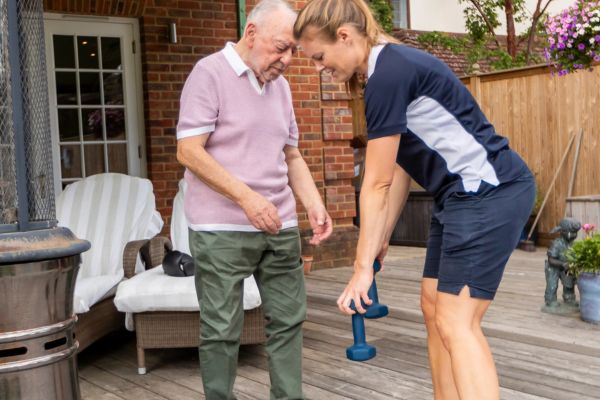
Get in touch with our team to find out about physiotherapy sessions or FitMove class suitability.
When Madeline planned her trip to Sorrento, she knew from previous visits that there would be a lot of walking and steps. Her approach was simple: communication. She spoke with her family, and together they agreed she would be involved in all the plans — but would monitor her energy and mobility throughout. If things felt like too much, she would sit in a café with a drink and her Kindle.
For an enjoyable and comfortable holiday:
Pace yourself — prioritise gentle exercise that eases pain and supports wellbeing.
Establish a routine — find a suitable time and space to keep up with your physio exercises.
Adapt to your needs — if you need to slow down or rest, ask your travel companions to take photos and share stories from their activity so you still feel part of it.
Stay hydrated — drink plenty of fluids and enjoy hydrating foods such as fruit to support healing, recovery, and overall function.
Managing flare-ups
Organisation is vital for managing flare-ups while on holiday. Before you travel:
Find out where the nearest hospital or urgent care centre is located and how to access medical care if needed.
Pack sufficient medication and pain relief for the full duration of your holiday.
Consider packing lightweight travel mobility aids — canes, walkers, or braces — if these may be useful.
Most importantly, stay aware of your physical and mental energy levels with regular body scans throughout the day. This helps you gauge how much activity you can safely manage.
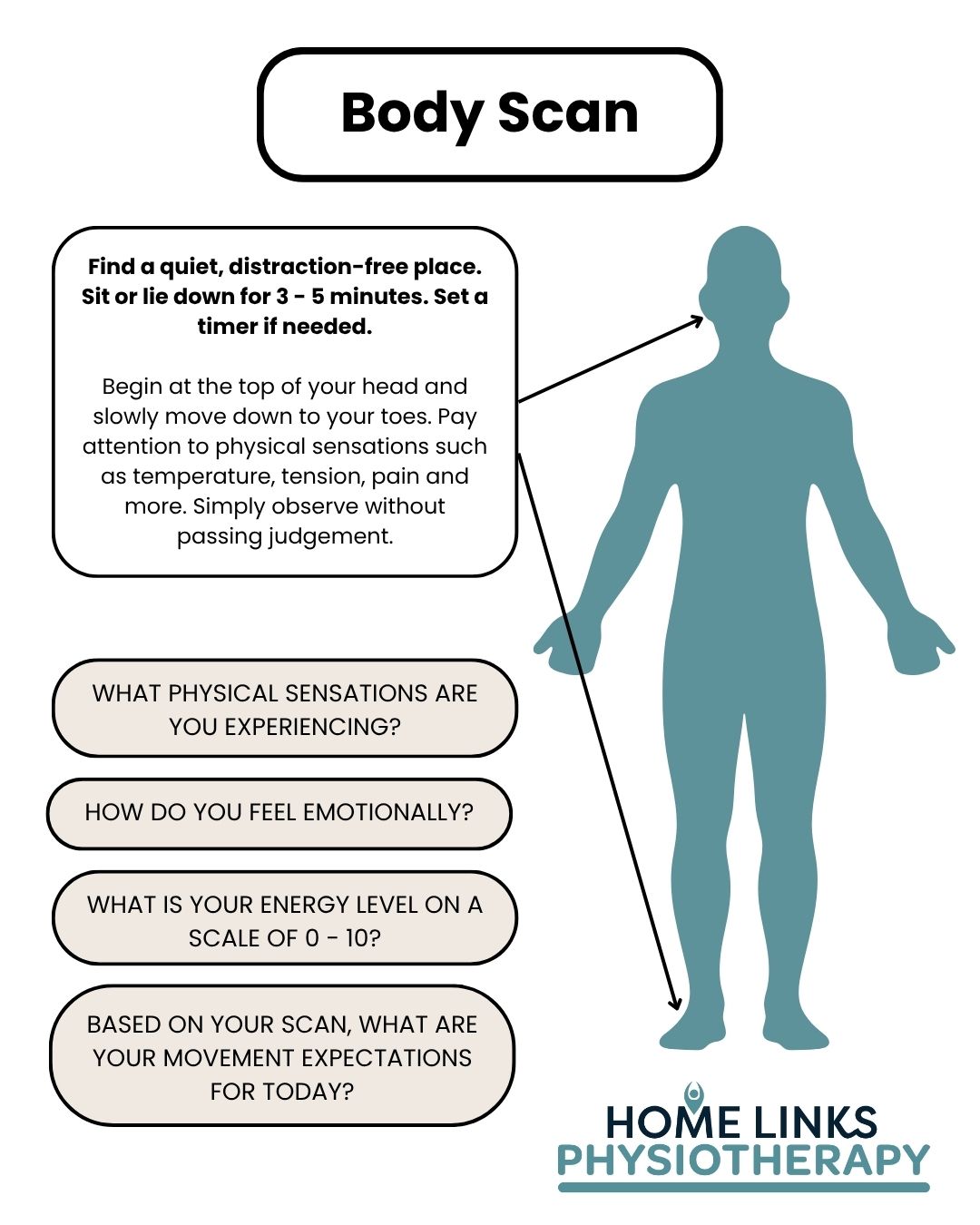
If you're managing a specific condition and want to make sure you're in the best shape before you travel, find out more about the conditions we treat or get in touch to speak with our team.
Your return travel
A foreign airport may have different systems in place. To avoid confusion on the way home, observation is key — Madeline recommends taking note of the assistance area's location when you first arrive at your destination, and pre-booking your return assistance there and then.
"When you arrive back in the UK, you stay in your seat and the air stewards will come and help. You're not alone. The lift is prepared for you, and you are driven on the buggy past the people walking to passport control. You are fully supported with your luggage and can even be driven to your taxi or onward transport."
A holiday should not feel out of reach, even if you are living with mobility issues. With greater accessibility at airports, a prepared mindset, and good communication with your travelling companions, your time away can be the uplifting and relaxing experience you deserve.
Whether you're managing an ongoing condition or simply want to make sure you're in the best shape before you travel, our physiotherapy team is here to help. From one-to-one assessment and follow-up sessions to our FitMove classes, we can work with you to keep your recovery moving.
